
Don't wait months to see an eye doctor
The screening is right around the corner.
An ophthalmology appointment often means waiting months. A retinal screening doesn't: you walk into your nearest partner optician, the image takes a few minutes, and an ophthalmologist writes your report within two working days. It doesn't hurt, and there is no queue anywhere.
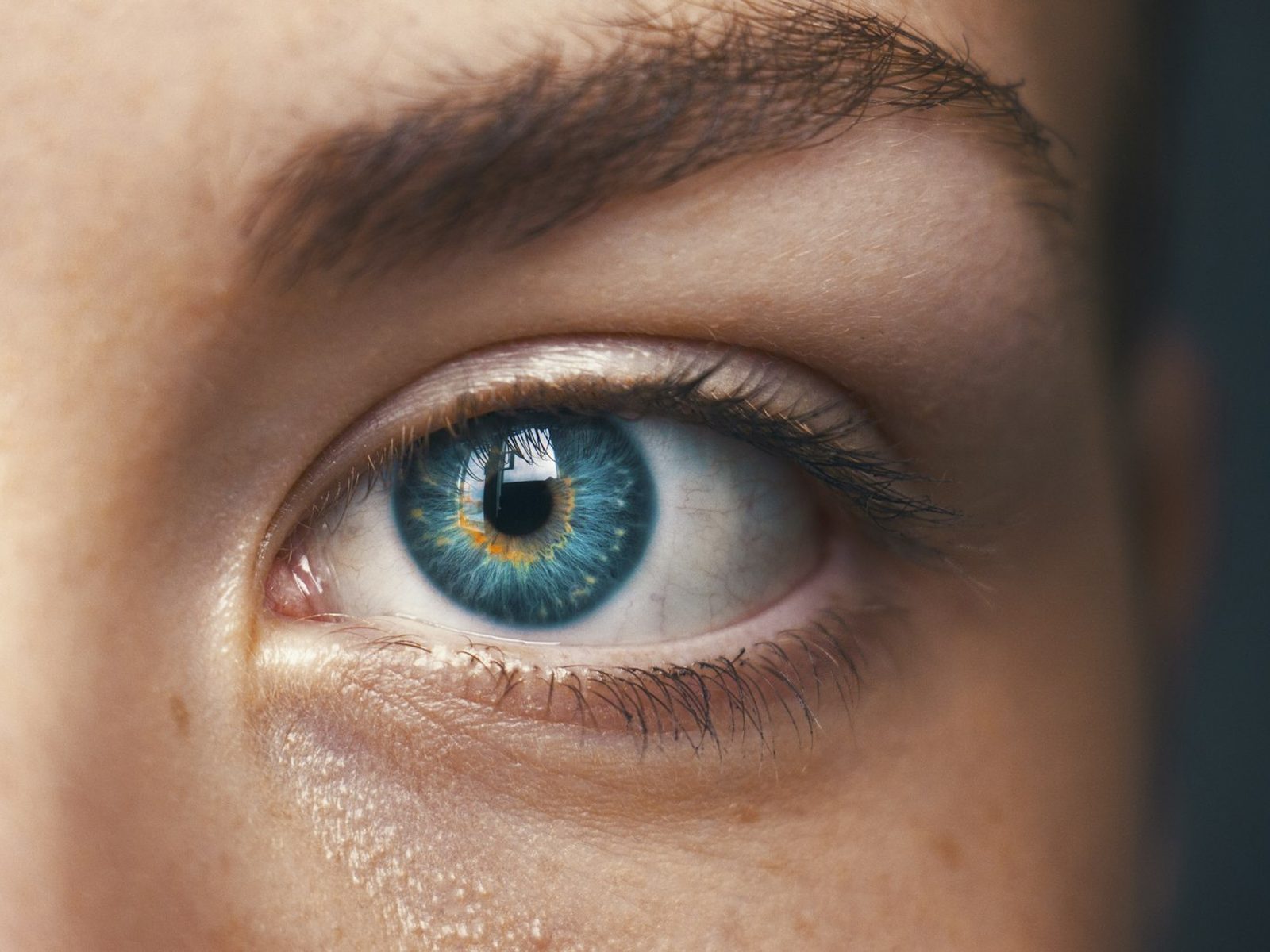
Months on a waiting list? Not with us.
You don't have to fight for an appointment, and you don't have to wait months. You walk into the nearest partner optician, they take the image, and we handle the rest.
The usual route
- You request an appointment at the eye clinic, then often wait months.
- You often have to travel far, and queue once you get there.
- Private care is faster, but it costs a lot more.
At an OPSEYA partner optician
- You walk into an optician near you, often without an appointment.
- The image takes a few minutes, doesn't hurt, and nothing touches your eye.
- You receive the ophthalmologist's report within two working days.
The specialist doesn't examine you on site: we send the image to them securely, and they evaluate it thoroughly, remotely. So you're not waiting for a specialist's appointment — you start with the screening right away.
Why wait until it hurts?
Most of us only think about our eyes once our vision blurs or something starts to bother us. Trouble, however, begins much earlier: quietly, without symptoms, in a way we simply don't notice.
Your eyes reveal a lot
The back of the eye is the only place in the body where blood vessels and nerves can be seen in a single image, without any intervention. One good photograph says a surprising amount about your health.
Time matters
Most changes caught early can be treated. The very same condition a few years later can already cause permanent vision loss.
Prevention costs less than treatment
A screening takes far less of your time and money than treating a long-running condition discovered too late.
Living with diabetes? Then look after your eyes too.
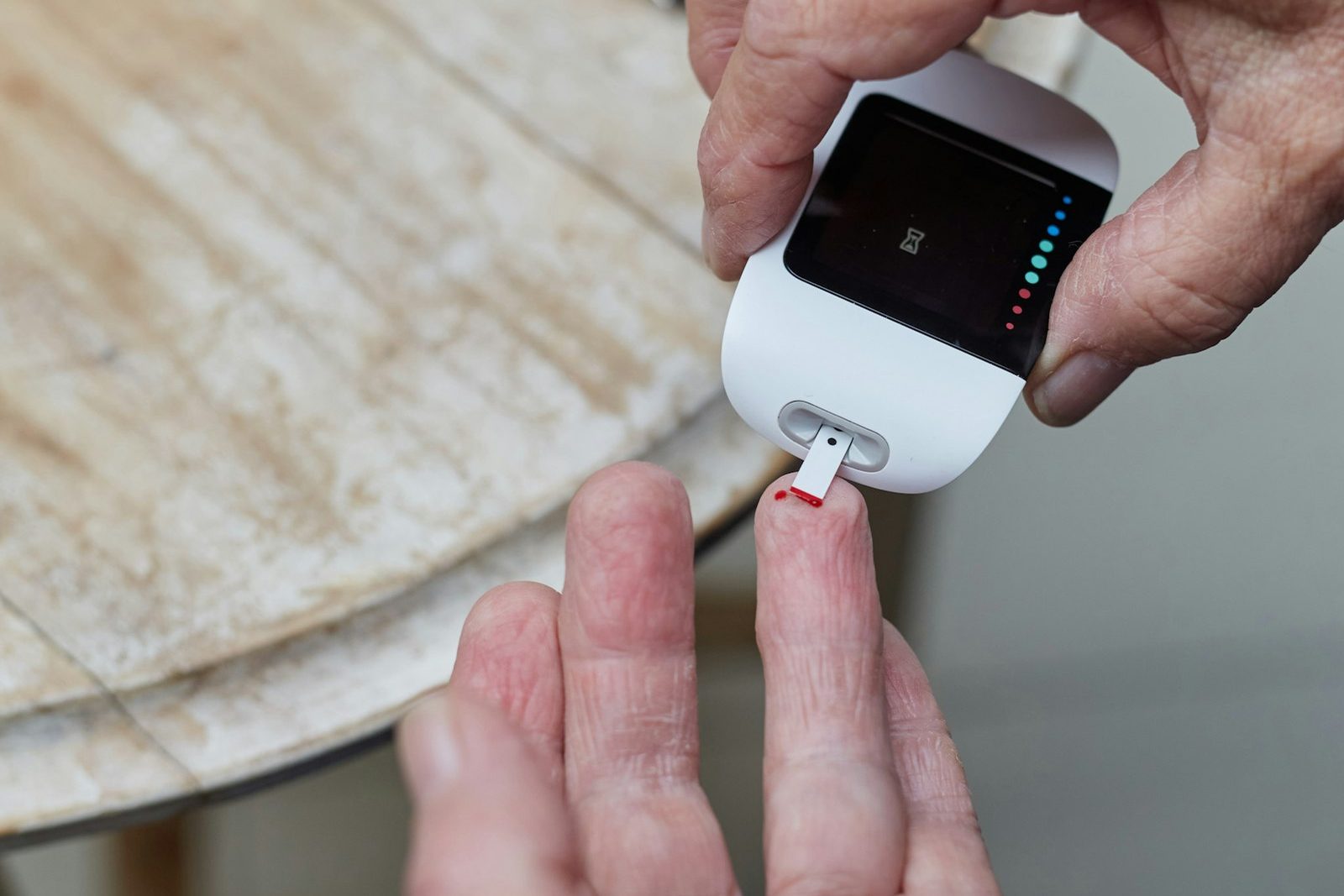
Diabetes is one of the most common reasons adults start losing their sight. Persistently high blood sugar slowly damages the tiny blood vessels at the back of the eye — this is called diabetic retinopathy. The worst part is that you feel nothing from it for a long time.
- With diabetes, it's worth having a retinal screening at least once a year.
- Caught early, the condition responds well to treatment and your sight can be saved.
- Regular screening cuts the risk of severe vision loss to a fraction.
Most vision loss caused by diabetes can be prevented if screening and treatment begin in time.
That's why specialists recommend regular retinal screening from the moment of diagnosis — even if you have no complaints at all.
A lot can come to light, often before any symptoms
A retinal image says a great deal not only about your eyes, but can also point to more general health problems. The images are always evaluated by an ophthalmologist.
Diabetic retinopathy
Vascular damage at the back of the eye caused by diabetes. You feel nothing for a long time, yet it is a leading cause of vision loss.
Glaucoma
Slow, painless damage to the optic nerve. Peripheral vision narrows almost imperceptibly.
Age-related macular degeneration
Deterioration of the area responsible for sharp vision. Recognised in time, it can be slowed.
Signs of high blood pressure
Sustained high blood pressure leaves its mark on the vessels at the back of the eye — often visible here first.
Other retinal changes
Some changes signal a more serious retinal problem and call for a specialist work-up.
And much more
Our ophthalmologists assess more than 20 different retinal changes when writing a report.
Three simple steps
No referral needed, and no waiting for weeks. You walk into a partner optician and it's over in a few minutes.
A photograph at the optician
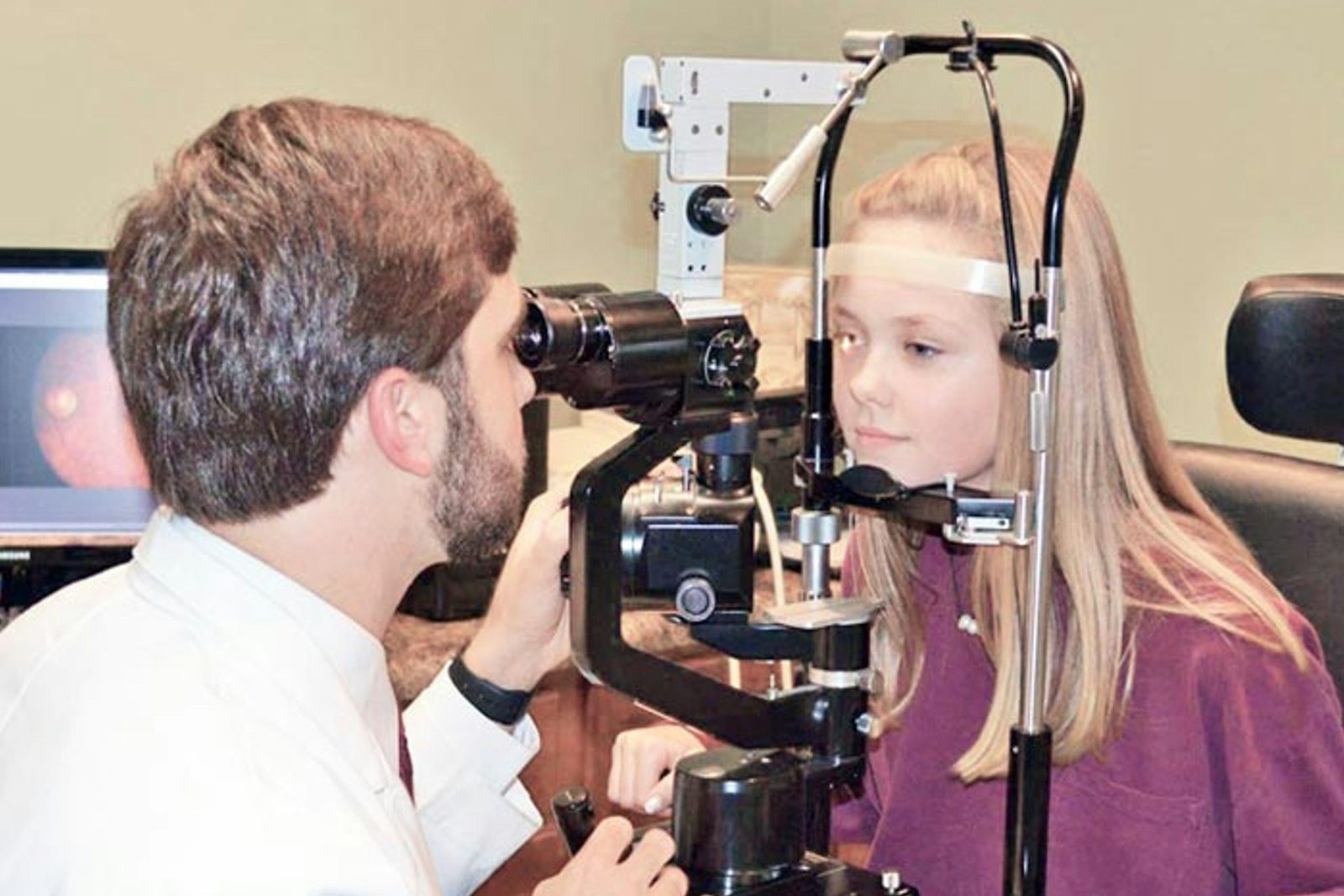
At the optician, a special camera captures a sharp image of the back of your eye in a few seconds. Nothing touches your eye, and it doesn't hurt at all.
Processing and specialist evaluation
Our system processes the image and prepares it for medical evaluation — but it is always an ophthalmologist who evaluates it. The diagnosis is the doctor's.
Report within two working days
You receive the official report, which can also be uploaded to the national health record. If we find something, you and your treating doctor can take it from there.
Don't wait until something goes wrong
Find your nearest partner optician and ask for a retinal screening.
Where can I have the examination?
Enter your town or postcode and we'll show you the partner opticians within 20 km.
Enter your address or town and pick it from the list.
Every report is written by an ophthalmologist
Meet our doctors„Image processing helps our work a great deal, but the evaluation and the responsibility always rest with the doctor. Early detection is the most we can do for our sight.”
Your health data is in safe hands
We handle your images and your data securely, in line with European rules.
Encrypted data handling
Your images and data travel encrypted and are stored encrypted.
Stored within the EU
Your data is handled only on servers inside the European Union, in line with the GDPR.
Only authorised people see it
Only the professionals involved in your care can access your report. We never pass it on to third parties.
Useful articles about your eye health
Plain-language writing about screening, prevention, and what happens after the image is taken.
What patients ask most often
In public eye clinics it often takes months before your turn comes. For a retinal screening you don't need to join a waiting list: you walk into the nearest partner optician, they take the image, and you receive the specialist report within two working days.
This page is for information only. Retinal screening supports prevention and early detection, but it does not replace a conversation with your treating doctor. If you have symptoms, always see a doctor.